
Toyota Celica Supra A60 (MKII)
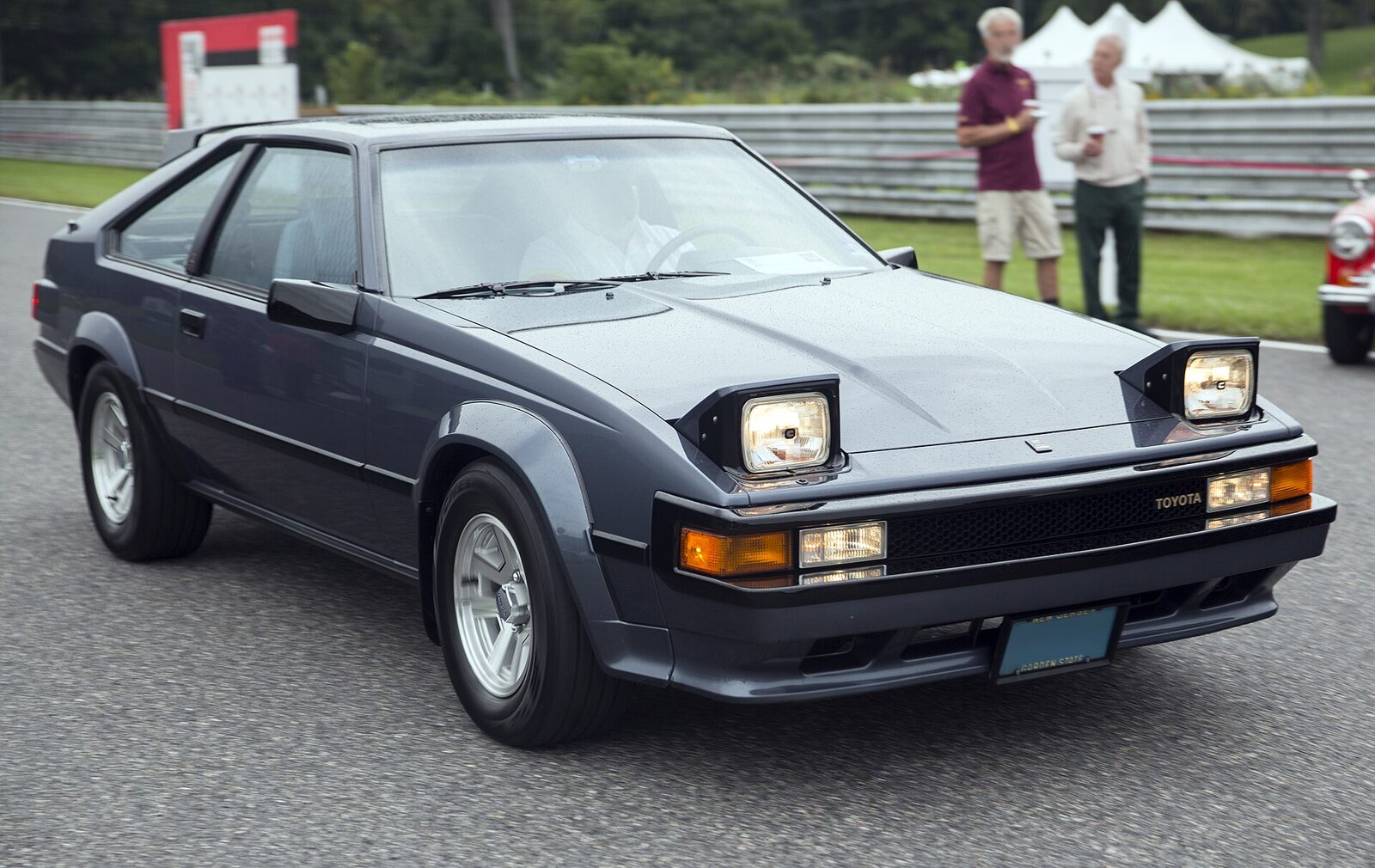
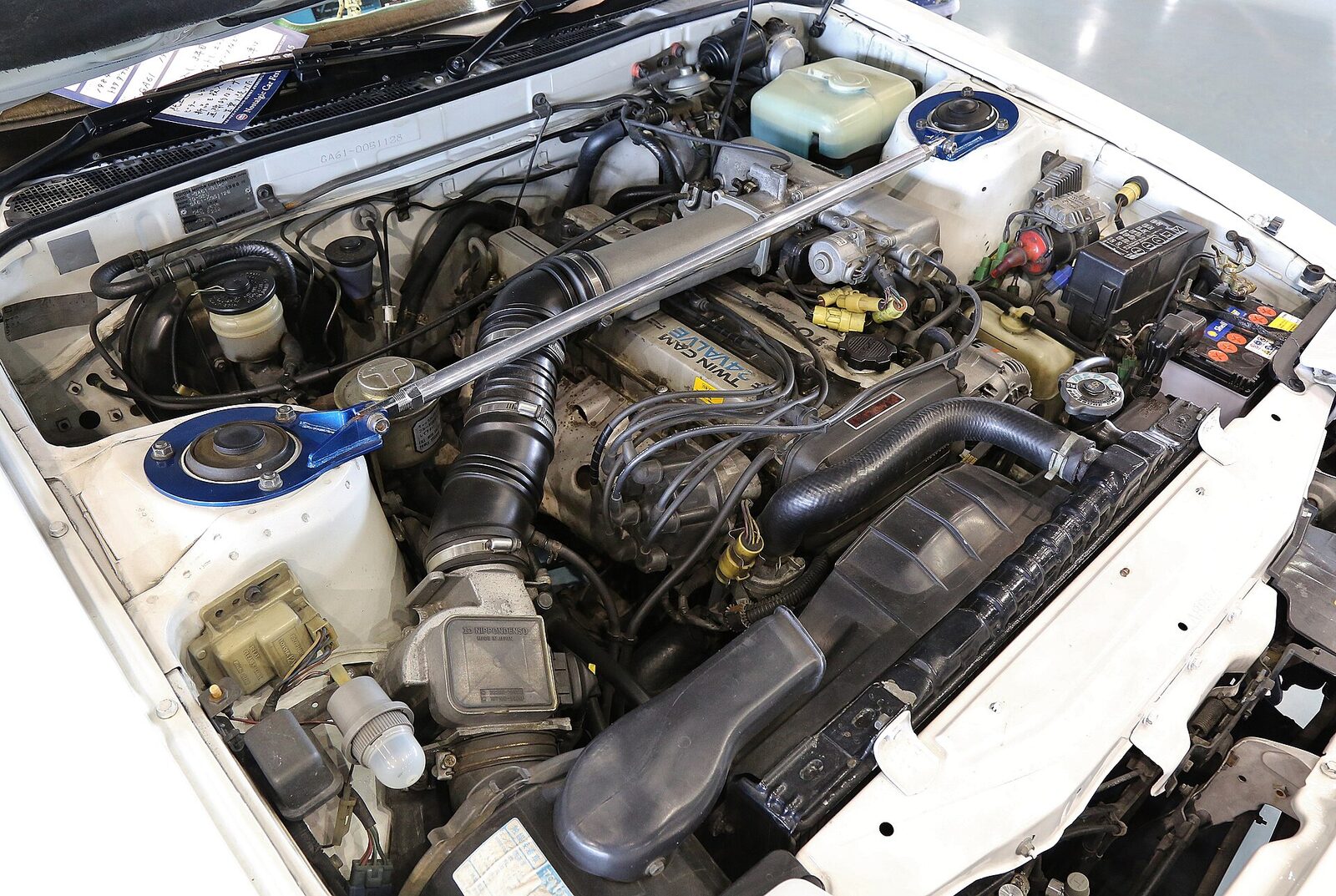
Toyota sold the second-generation Supra, the A60 or MKII, from mid-1981 to 1986, and it was still officially a Celica: the Celica Supra in export markets and the Celica XX in Japan. It introduced pop-up headlights, a 2.8-liter twin-cam 5M-GE inline-six and independent rear suspension tuned with help from Lotus. It also won Motor Trend's Import Car of the Year award in the US.
- On sale
- 1981-1986
- built until December 1985
- Engine
- 2,759cc
- 5M-GE twin-cam six
- US power
- 145-161hp
- 1982 to 1985-86
- 0-60 mph
- 8.4s
- 1985 model
A new Celica Supra#
For the 1982 model year Toyota redesigned the whole Celica lineup, Supra included. The Supra still sat on the Celica platform, but it had its own front end with fully retractable headlights, and a longer nose and wheelbase for the inline-six.
It got its own suspension too: MacPherson struts up front and semi-trailing arms with coil springs in back. Steering was power rack-and-pinion, and every Supra had four-wheel disc brakes. Like the MKI before it and the MKIII after it, the A60 was built at Toyota's Tahara plant in Aichi Prefecture.
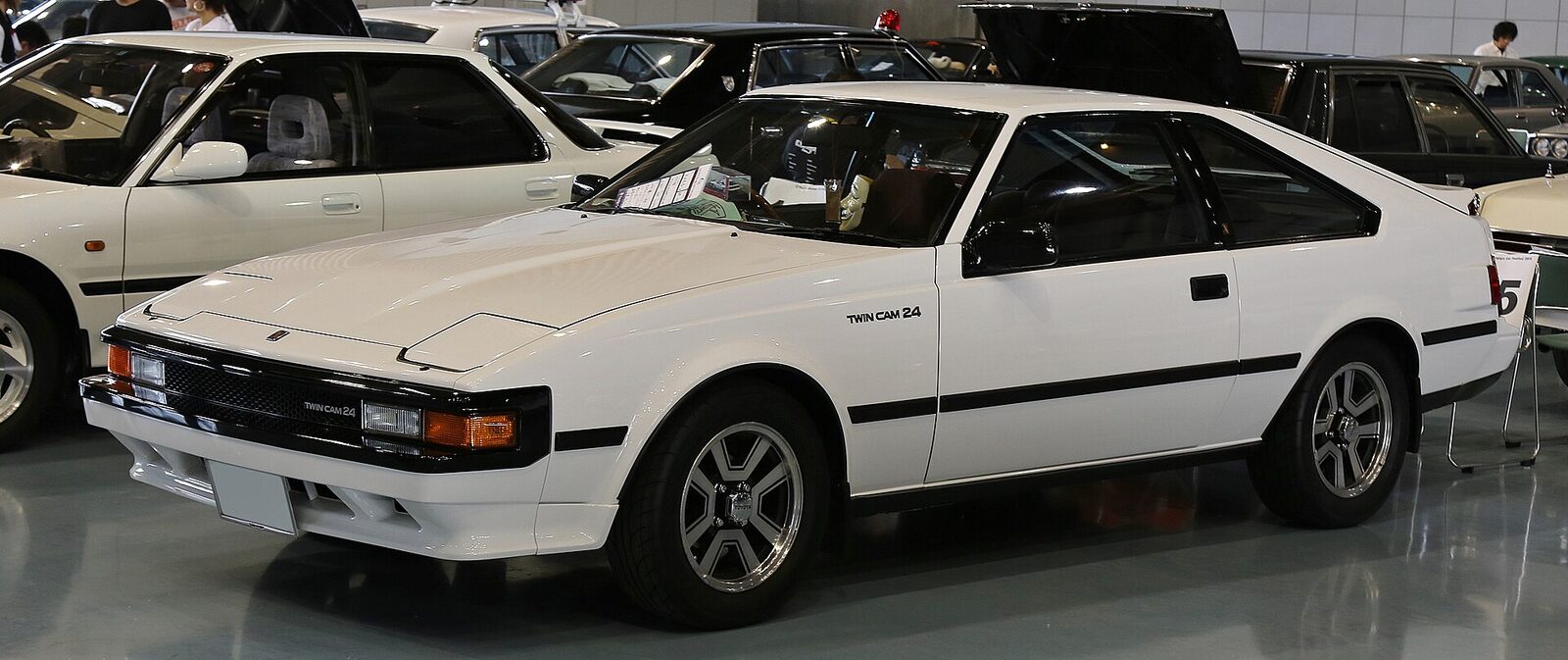
In Japan the car kept the Celica XX name and was offered with smaller engines. Japanese 2.0-liter cars stayed under 1,700 mm wide to stay in the lower tax bracket, while 2.8-liter cars were slightly wider. The Celica XX was also the world's first car with a navigation computer.
P-type and L-type#
In North America the Celica Supra came in two trim levels that were mechanically identical but equipped differently:
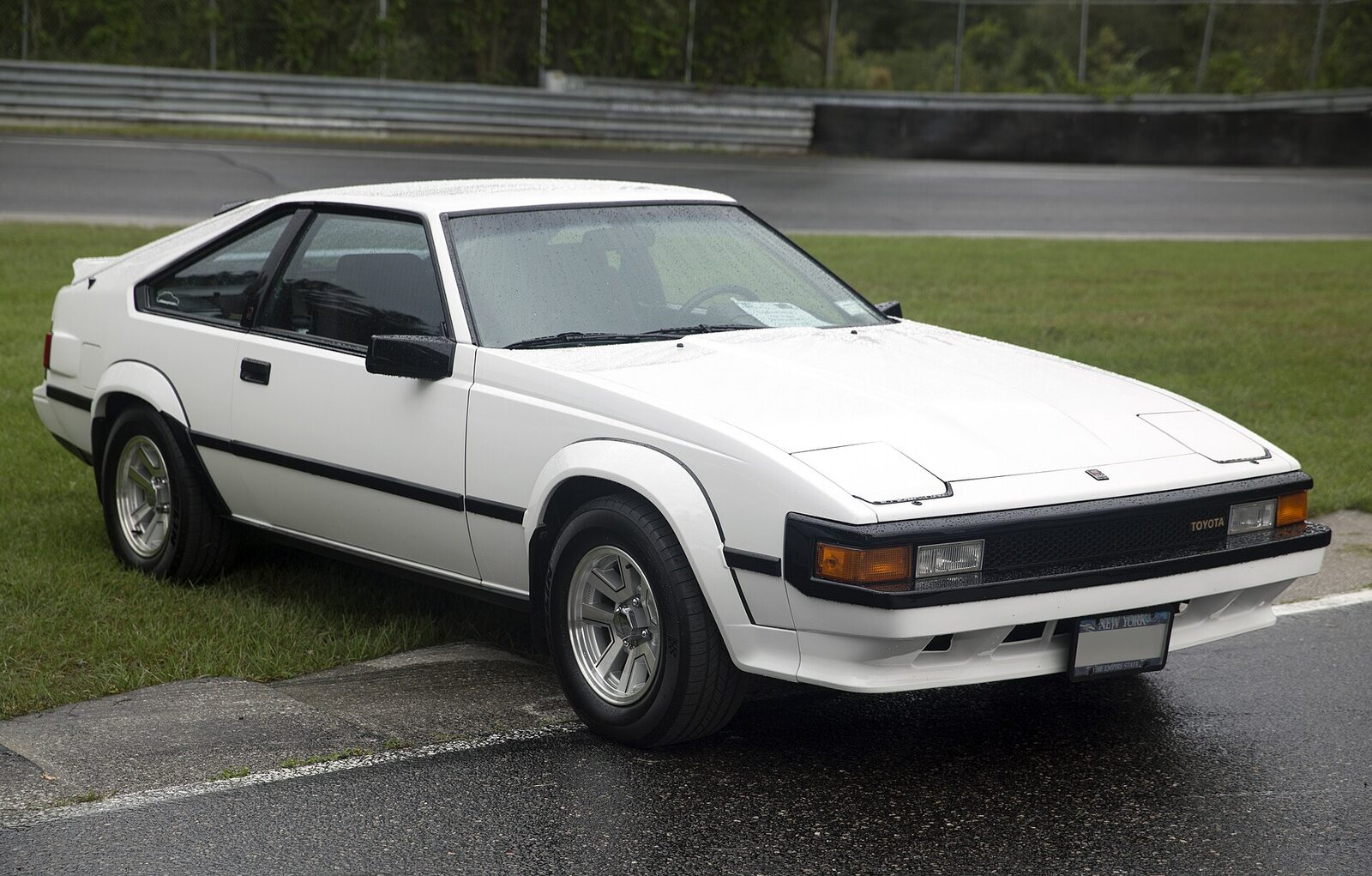
- P-type (Performance type): fiberglass fender flares, 14x7-inch alloy wheels, eight-way adjustable sport seats and a standard limited-slip differential; manual-only at first. Leather became available in 1983, along with optional headlight washers.
- L-type (Luxury type): no fender flares, 14x5.5-inch wheels (15x6-inch from 1985), leather as an option and, at first, the automatic transmission. Its instrument cluster has "ECT" on the dial plate, and a digital cluster with a trip computer was an option.
For 1986, only the P-type was offered.
How to tell MKII years and trims apart
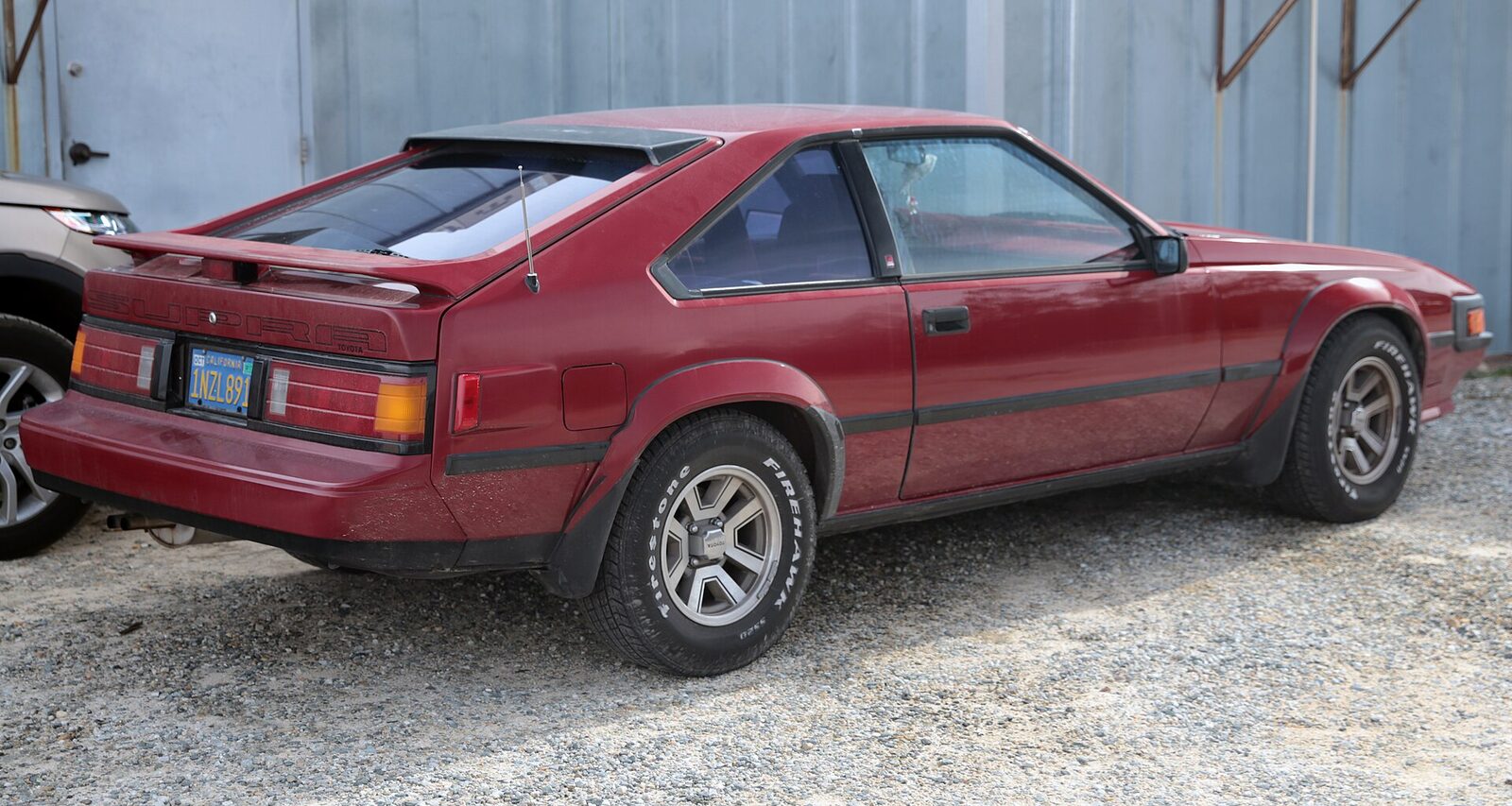
- P-type or L-typeFiberglass fender flares and 14x7-inch alloys mean a P-type. The L-type has no flares and 14x5.5-inch wheels, or 15x6-inch from 1985.
- 1984 and laterWraparound turn signals, new tail lights and a body-colored hatch and bumper.
- 1985 and 1986A two-piece rear spoiler. For 1986 only the P-type was offered.
- Instrument clusterL-type clusters have "ECT" on the dial plate; P-type clusters do not.
- Japanese carsFender mirrors until August 1983, door mirrors after that.
A60 specifications by year (USA)#
| Model year | 5M-GE power | Torque | Main changes |
|---|---|---|---|
| 1982 | 145 hp (108 kW) | 155 lb-ft (210 Nm) | Launch; compression 8.8:1, vacuum-advance distributor; 3.72:1 rear axle |
| 1983 | 150 hp (112 kW) | 159 lb-ft (216 Nm) | Electronic ignition advance; ECT electronically controlled automatic (A43DE); P-type 4.10:1, L-type 3.73:1 axle |
| 1984 | 160 hp (119 kW), manual | 163 lb-ft (221 Nm) | New intake manifold, compression 9.2:1, 4.30:1 axle on manuals; wraparound turn signals, new tail lights, body-colored hatch and bumper |
| 1985-1986 | 161 hp (120 kW) | 169 lb-ft (229 Nm) | Same power for manual and automatic; knock sensor, new EGR system, two-piece rear spoiler |
Car and Driver put the A60 on its Ten Best list for 1983 and 1984. A 1982 car had a drag coefficient of 0.348 and reached 60 mph in 9.8 seconds; the 1985 model did it in 8.4 seconds, with a 16.1-second quarter mile. The 5M-GE specs page covers the engine in detail.
For the gearheadsTransmissions
Manual cars used the five-speed W58 and automatics a four-speed A43DL. For 1983 the A43DE took its place: one of the first electronically controlled automatics, with Power and Normal modes.
Versions by market#
| Market | Engine | Power |
|---|---|---|
| Japan, Celica XX 2800GT | 2.8 L DOHC 5M-GEU | 175 PS from August 1983 |
| Japan, Celica XX 2000GT | 2.0 L DOHC 24-valve 1G-GEU | 160 PS |
| Japan, Celica XX 2000 Turbo | 2.0 L SOHC turbo M-TEU | 145 PS; 160 PS with an intercooler from August 1983 |
| Japan, Celica XX 2000 | 2.0 L SOHC 1G-EU | 125 PS |
| Most of Europe | 2.8 L 5M-GE | 177 PS (1982-83), 170 PS (1984-86) |
| Australia, Sweden, Switzerland | 2.8 L SOHC 5M-E | 140 PS |
Australia, Sweden and Switzerland got the single-cam 5M-E because certifying the twin-cam for their emissions rules wasn't worth the cost. Japanese cars had fender mirrors until August 1983 and door mirrors after that.
Power by market
- 2.8 twin cam, early years
- 145 hp 5M-GE, 1982
- 158 hp 5M-GEU, 1982-1983
- 175 hp 5M-GE, 1982-1983
- 2.8 twin cam, last years
- 161 hp 5M-GE, 1985-1986
- 173 hp 5M-GEU, from August 1983
- 168 hp 5M-GE, 1984-1986
- 2.0 twin cam
- Not sold
- 158 hp 1G-GEU
- Not sold
- 2.0 turbo
- Not sold
- 158 hp M-TEU with intercooler, from August 1983
- Not sold
US: ratings for US cars by model year, as in the table above. Japan and Europe: ratings in PS, as quoted in the Wikipedia article listed under Sources. Switch the units to compare like with like.
Buying an A60 today#
Good MKIIs are now classics, and most of what owners ask about on our forum comes down to age:
Before you look at an A60
Take this list with you when you look at a car, and tick each item as you check it. The ticks stay in this browser, so it works on your phone.
The engine and transmission on these cars have been described as bullet-proof. No problems at all.
The '83 Supra is a powerful car, even for an automatic.
The master cylinder for the clutch leaked twice, once at 202,000 km's and the second time at 220,000.
Quotes are from owner reviews on this site, as written. Read all reviews or write your own.
For more owner experience, read the reviews of the 1982, 1983, 1985 and 1986 Supra and the 1985 Supra buying advice thread.
Most-read MKII threads on our forum#
- 5M-GE engine mods
- What's the difference between a Celica Supra and a Supra?
- JDM 6M-GE engines
- Engine swap: 5M-GE for a 7M-GE
- 1984 Supra wheels
- How to turbo a 5M-GE
- Changing the oil pan gasket
- Help identify a MKII Supra
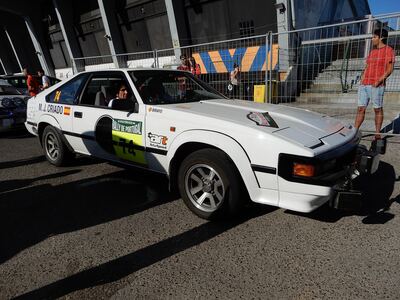
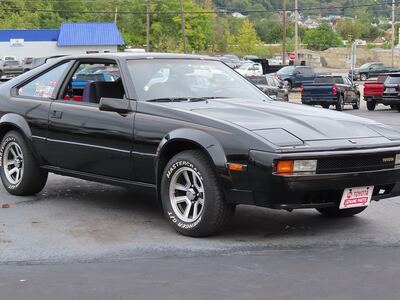
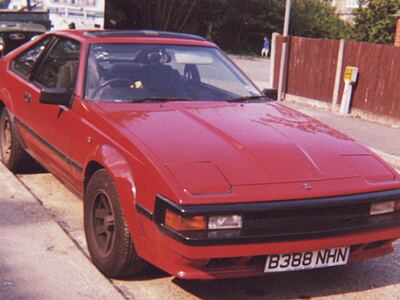
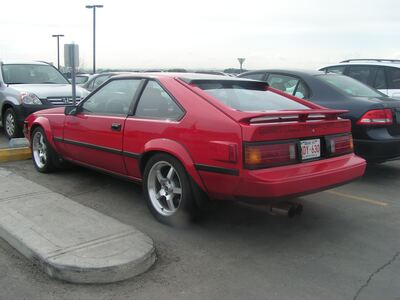
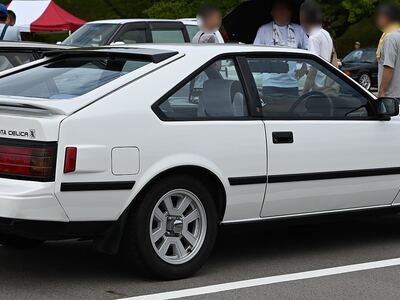
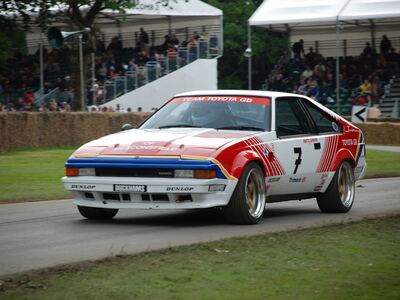


Ask your own question on the MKII Supra board, or browse the MKII photo album.
Questions and answers#
What is the difference between the P-type and the L-type?
Both have the 5M-GE. The P-type (Performance type) adds fiberglass fender flares, 14x7-inch alloys, eight-way sport seats and a standard limited-slip differential; in 1983 it also had a 4.10:1 axle against the L-type's 3.73:1. The L-type (Luxury type) has no flares and narrower wheels.
How much horsepower does a MKII Supra have?
In the US the 5M-GE went from 145 hp (108 kW) in 1982 to 150 hp in 1983 and 160 hp with the manual in 1984. The 1985 and 1986 cars have 161 hp (120 kW) with either transmission.
What engines did the Celica XX have in Japan?
The 2800GT had the 2.8-liter 5M-GEU, the 2000GT the 24-valve 1G-GEU with 160 PS, and the base 2000 the 1G-EU. The 2000 Turbo used the M-TEU, with 145 PS or 160 PS with an intercooler from August 1983.
How fast is a MKII Supra?
The 1982 car reached 60 mph in 9.8 seconds. The 1985 model did it in 8.4 seconds and ran the quarter mile in 16.1 seconds.
Why do some MKII Supras have a 5M-E instead of the 5M-GE?
Australia, Sweden and Switzerland got the single-cam 5M-E with 140 PS. Certifying the twin-cam for their emissions rules wasn't worth the cost.
Article history
- First published on toyota-supra.info, with a quick summary, power by market, a guide to the model years, a buying checklist, owner quotes, photos and answers to common questions.
Written and kept up to date by Alex Keller. Found a mistake? Write to info@toyota-supra.info.
Sources
- Toyota Supra article on Wikipedia (second generation section, with the Car and Driver and Motor Trend data quoted there)
- Discussions of toyota-supra.info forum members in the MKII Supra board
Photos are published under Creative Commons licenses; authors are credited under each photo. Copyright questions: info@toyota-supra.info.