
Toyota 5M-GE engine specs
The 5M-GE is the 2.8-liter twin-cam inline-six that powered the Toyota Celica Supra MKII (MA61) and the Cressida of the 1980s. It made its US debut in the 1982 Celica Supra and was built until 1988. Compared with the older single-cam 5M-E, it brought belt-driven double overhead camshafts and wide-angle valves. It was also the first Toyota engine with hydraulic valve lifters, so the valves need no clearance adjustment.
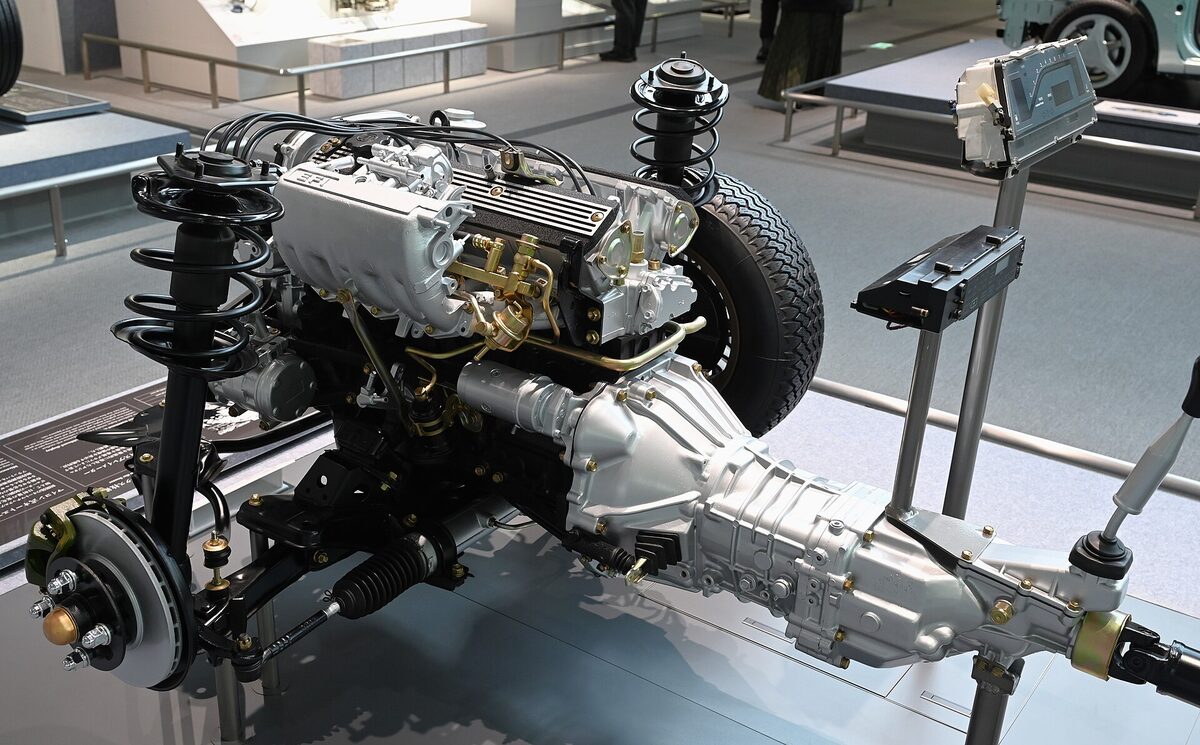
- Displacement
- 2,759cc
- 2.8 L
- Bore × stroke
- 83 × 85mm
- 3.27 × 3.35 in
- Power
- 145-175hp
- 108-130 kW
- Torque
- 190-230Nm
- 140-170 lb-ft
- Production
- 1981-1988
5M-GE specifications#
| Type | Inline-six, DOHC, 12 valves (2 per cylinder), electronic fuel injection |
|---|---|
| Displacement | 2,759 cc (2.8 L, 168.4 cu in) |
| Bore × stroke | 83 mm × 85 mm (3.27 in × 3.35 in) |
| Compression ratio | 8.1:1 to 9.2:1 depending on version |
| Power | 145-175 hp (108-130 kW) |
| Torque | 190-230 Nm (140-170 lb-ft) |
| Fuel system | Bosch L-Jetronic based EFI with air flow meter |
| Valve train | Belt-driven twin camshafts, rocker arms with hydraulic lash adjusters |
| Forced induction | None from the factory |
| Production | 1981-1988 |
Power ranges from 145 to 175 hp because exhaust systems, emission controls, compression ratios, intake runner shapes and engine management differed between markets and years. From August 1983 a new engine management system (TCCS) and revised intake runners added about 5 hp.
Year-by-year changes to US Celica Supra engines#
- 1982: vacuum-advance distributor and an air flow meter with 9-to-0 V output.
- 1982-1983: dual V-belt accessory drive, 65 A alternator, square-tooth camshaft belts, 8.8:1 compression, shallower oil pan and round intake runners.
- 1983 to mid-1985: 0-to-5 V air flow meter and fully electronic ignition control (TCCS).
- 1984 to mid-1985: 7-rib serpentine accessory belt, 60 A alternator, round-tooth camshaft belts, 9.2:1 compression, knock sensor, deeper oil pan and D-shaped intake runners.
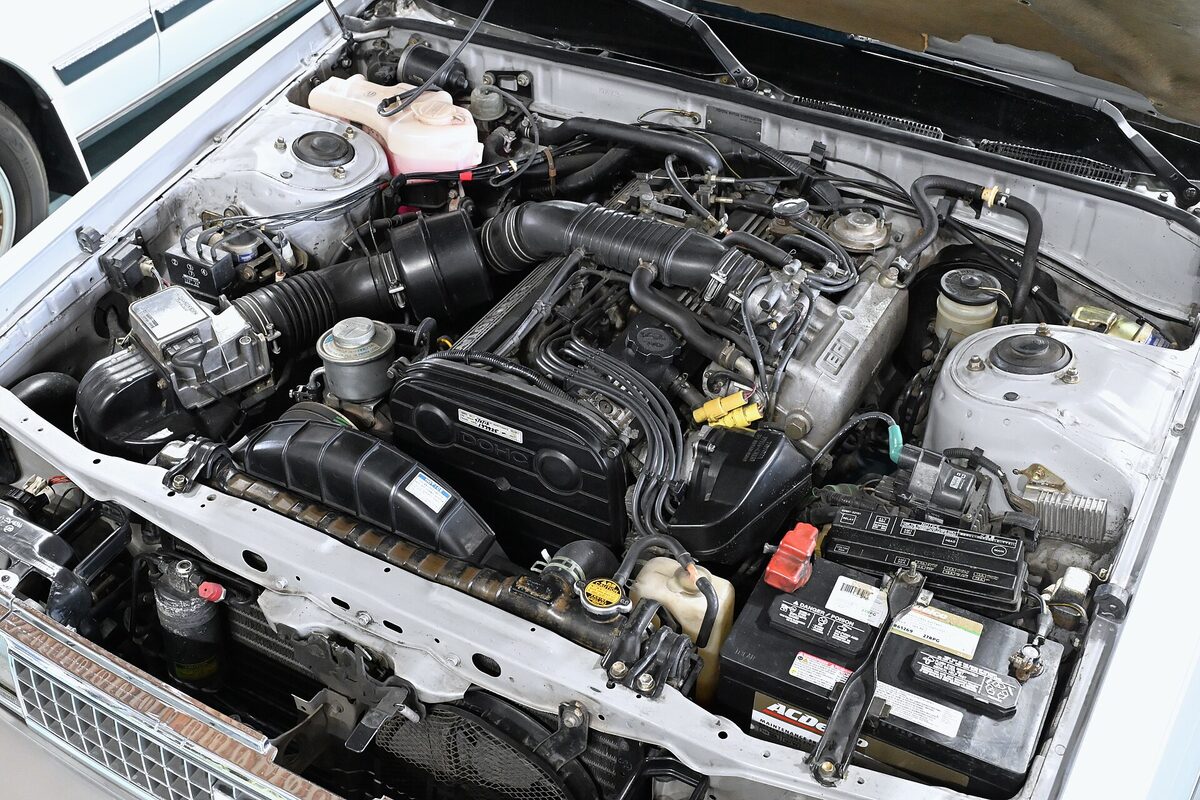
How to tell an early US 5M-GE from a later one
Years are US model years, as in the list above.
- Accessory beltsTwo V-belts on 1982-1983 engines, one 7-rib serpentine belt on 1984 to mid-1985 engines.
- Camshaft beltsSquare teeth on 1982-1983 engines, round teeth on 1984 to mid-1985 engines.
- Intake runnersRound on 1982-1983 engines, D-shaped on 1984 to mid-1985 engines.
- Oil panShallower on 1982-1983 engines, deeper on 1984 to mid-1985 engines.
- Knock sensorListed for the 1984 to mid-1985 engines.
Which cars used the 5M-GE#
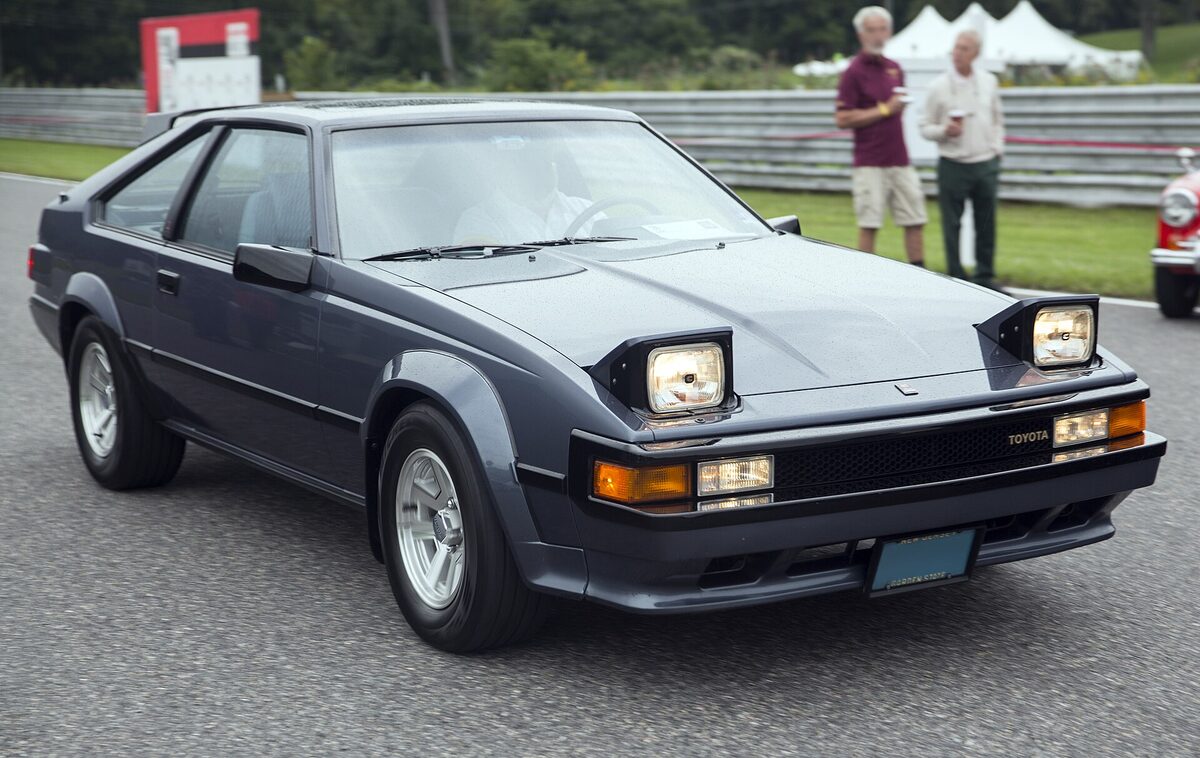
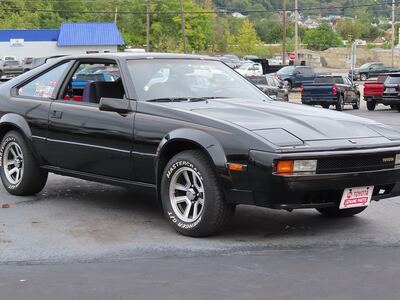
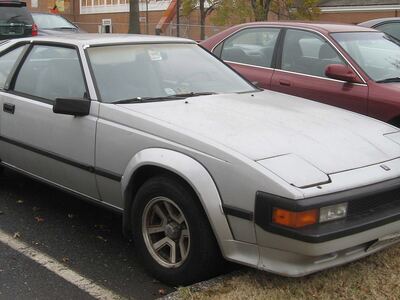
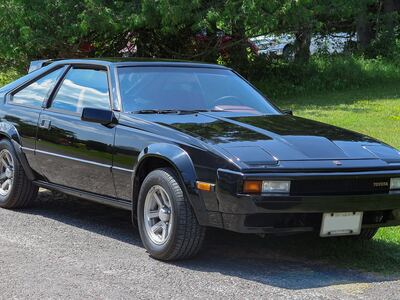
- Toyota Celica XX / Celica Supra MKII (MA61), July 1981-1986
- Toyota Cressida (MX62, MX63, MX72, MX73), 1982-1988
- Toyota Crown (MS120), August 1981-August 1984
- Toyota Soarer (MZ11), February 1981-August 1983
Owners of 1982-1985 Celica Supras on their engines:
The engine and transmission on these cars have been described as bullet-proof. No problems at all. It does not leak or burn oil.
I love the amount of torque this small in-line six puts out.
I change the oil every 3,000 miles, it will go through one quart between every oil change.
Quotes are from owner reviews on this site, as written. Read all reviews or write your own.
More power: stroker kits, turbo kits and 7M swaps#
Toyota never offered a turbocharged 5M from the factory. In the 1980s, aftermarket crank and piston kits took the engine to 2.9 liters (about 230 bhp) or 3.1 liters (about 250 bhp). Kits such as the Kuwahara 3100 were popular in powerboat racing.
Today most owners who want boost either bolt an aftermarket turbo kit onto the 5M-GE or swap in the 3.0-liter 7M-GE or 7M-GTE from the MKIII Supra. Both engines are covered in our 7M-GE and 7M-GTE specs. Owners describe their own builds in the forum:
- How to turbo a 5MGE
- 1984 Supra: 5M to 7MGTE swap
- Engine swap: 5MGE for 7MGE
- 5MGE vs 6MGE
- 5MGE intake manifold upgrade
- 5M-GE head rebuild
More about the MKII Supra#


Questions and answers#
How much horsepower does a 5M-GE have?
Between 145 and 175 hp (108-130 kW), with 190-230 Nm (140-170 lb-ft) of torque. Output differed with the market and year; from August 1983, TCCS engine management and revised intake runners added about 5 hp.
What is the difference between the 5M-E and the 5M-GE?
The 5M-E has a single overhead camshaft. The 5M-GE has two belt-driven camshafts, wide-angle valves and hydraulic lash adjusters, and it makes more power.
Can you put a turbo on a 5M-GE?
Yes, with an aftermarket turbo kit: Toyota never offered a turbocharged 5M from the factory. Many owners swap in the 3.0-liter 7M-GE or 7M-GTE from the MKIII Supra instead.
How big can a 5M-GE get with a stroker kit?
In the 1980s, aftermarket crank and piston kits took it to 2.9 liters (about 230 bhp) or 3.1 liters (about 250 bhp). Kits such as the Kuwahara 3100 were popular in powerboat racing.
Article history
- Added a quick summary, a guide to telling early engines from late ones, owner quotes, photos and answers to common questions.
- Engine specifications, the year-by-year changes to US engines, the cars that used the 5M-GE and owners' build threads.
- First published on toyota-supra.info.
Written and kept up to date by Alex Keller. Found a mistake? Write to info@toyota-supra.info.
Sources
- Toyota M engine article on Wikipedia (5M-GE section) and discussions of toyota-supra.info forum members
Photos are published under Creative Commons licenses or CC0; authors are credited under each photo. Copyright questions: info@toyota-supra.info.