
Toyota Supra pop-up headlights
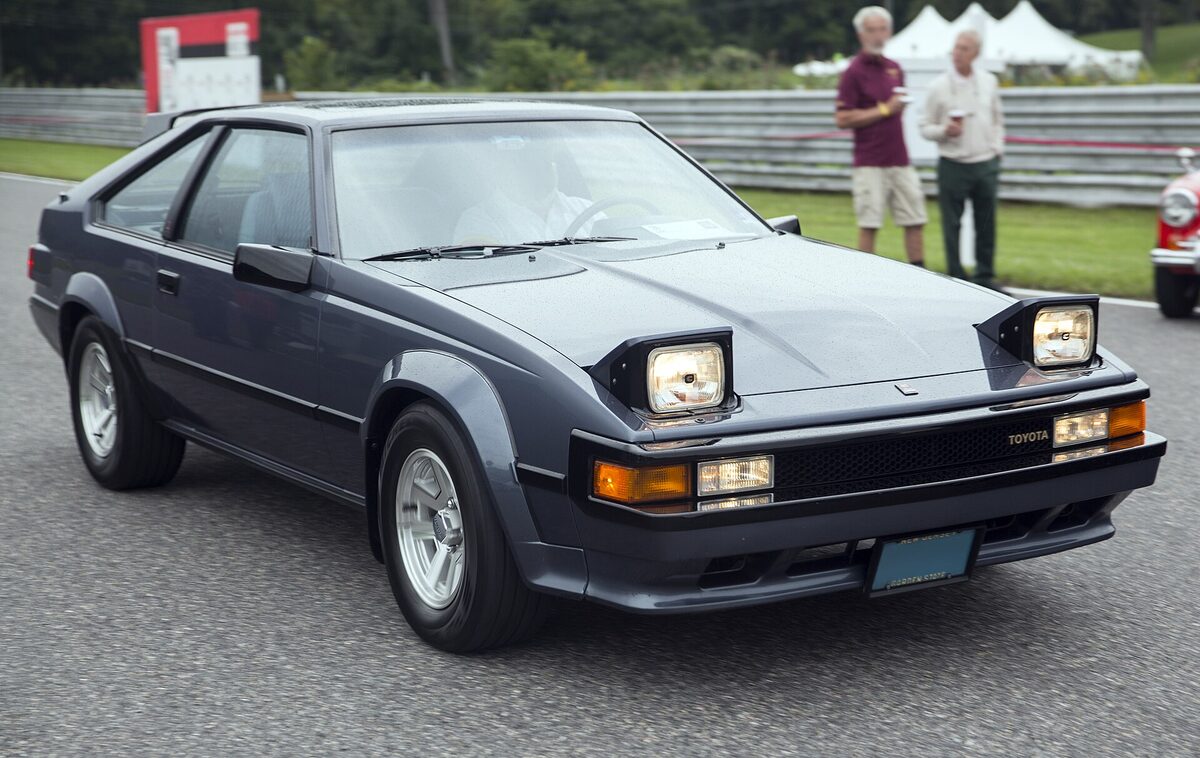
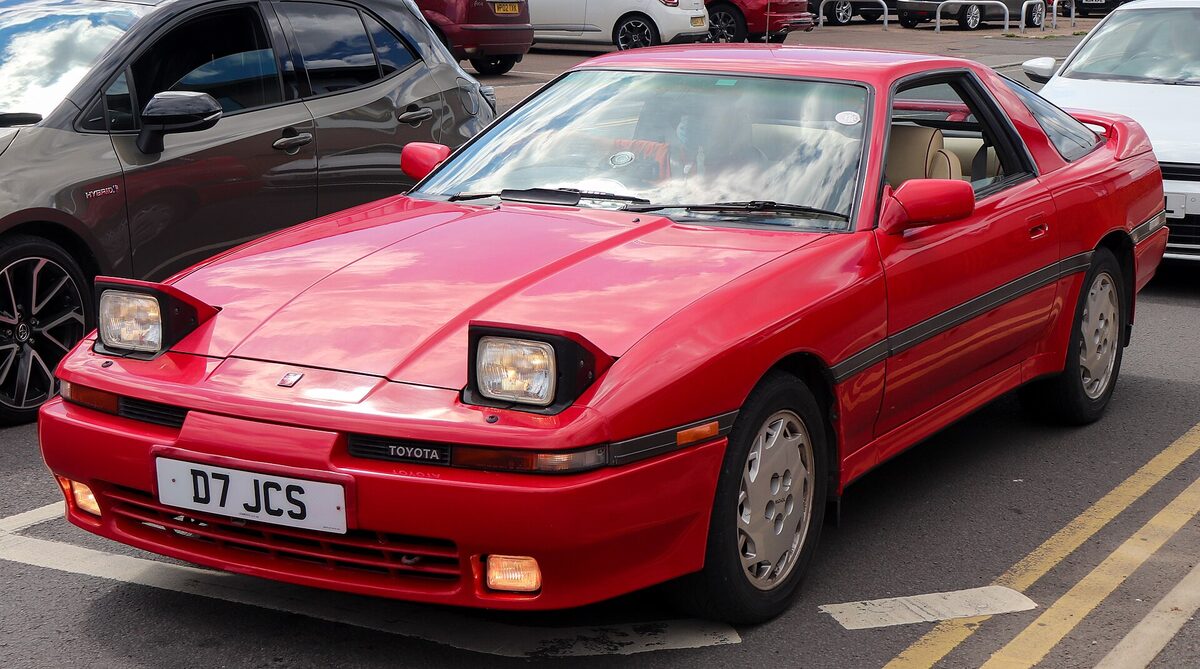
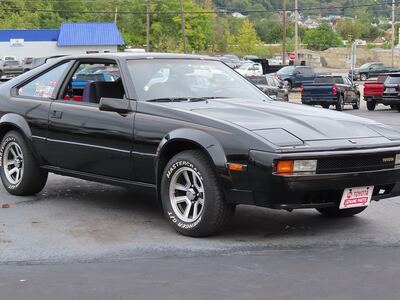
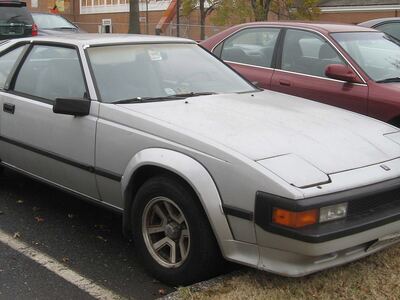
Pop-up headlights are a big part of the look of the 1980s Supras. Two generations used them: the second-generation Celica Supra (A60, MKII) and the third-generation Supra (A70, MKIII). The first Celica Supra had fixed headlights, and the MKIV (A80) of 1993 switched to fixed lamps too, as most sports cars of the 1990s did.
Why pop-up headlights?#
Retractable lamps let designers give a car a very low, sharp nose and still meet the minimum headlight height rules of markets such as the US. With the lights down, the car is smoother and more aerodynamic. The price is extra weight and complexity, plus more drag when the lights are up. As flush lamp technology and pedestrian-safety rules evolved, pop-ups disappeared from new cars.
Supras with pop-up headlights#
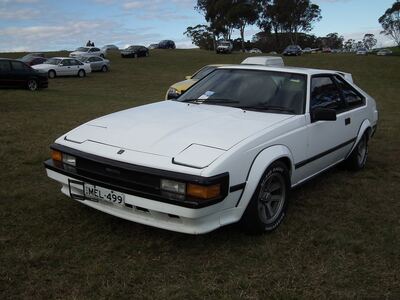
- MKII Celica Supra (1981-1986): square pop-up headlights in a wedge-shaped nose; known in Japan as the Celica XX. More on its engine: 5M-GE specs.
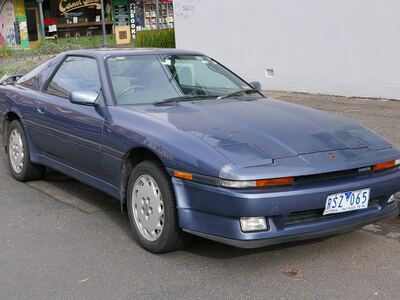
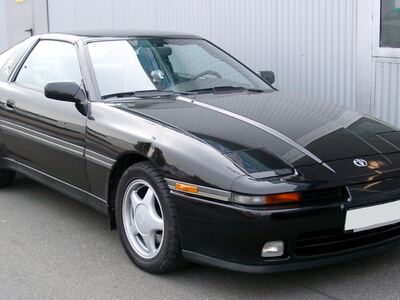
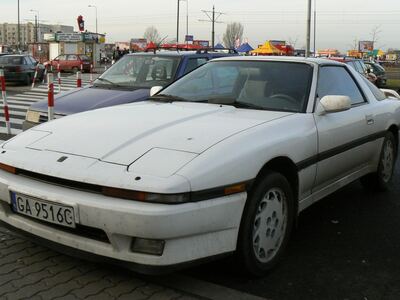
- MKIII Supra (1986-1993): wider, lower pop-ups on the first Supra sold as a separate model from the Celica. More: 1988 Supra specs, 1992 Supra Turbo specs, GA70 and JZA70.


When the headlights won't rise#
After 30-plus years, the headlight lift system is a common source of trouble on both generations. Owners usually find a failed headlight retractor relay or control unit, poor grounds and corroded connectors, or a weak or burned-out lift motor. Another common cause is a binding linkage that needs cleaning and grease.
Start the diagnosis with the fuses and relays, move on to the wiring and ground points, and leave the motors for last.
What to check, in this order
Work down this list at the car and tick each step as you go. The ticks stay in this browser, so it works on your phone.
These faults have come up in our forum:
- MKII: headlights won't rise
- MKII: headlight ground wire issues
- MKII factory service manual (TSRM) with wiring diagrams
- MKIII Supra forum: search for "headlight motor" or "retractor relay"
Supra vs. Mazda RX-7#
Mazda's RX-7, the Supra's great rival of the era, kept pop-up headlights through all three of its generations. That includes the third-generation FD, which competed with the MKIV Supra in the 1990s. Toyota went its own way with the MKIV: fixed headlights, a rounder body and the 2JZ inline-six instead of a rotary.
Questions and answers#
Which Toyota Supras have pop-up headlights?
Only the second and third generations: the MKII Celica Supra, sold from 1981 to 1986, and the MKIII Supra, from 1986 to 1993.
Why won't my Supra's headlights go up?
Owners usually find a failed retractor relay or control unit, poor grounds and corroded connectors, or a weak or burned-out lift motor. A binding linkage that needs cleaning and grease is another common cause.
Why did cars have pop-up headlights?
Retractable lamps let designers give a car a very low, sharp nose and still meet the minimum headlight height rules of markets such as the US. With the lights down, the car is also smoother and more aerodynamic.
Why does the MKIV Supra have fixed headlights?
Toyota went its own way with the MKIV of 1993: fixed headlights and a rounder body, as most sports cars of the 1990s switched to fixed lamps. As flush lamp technology and pedestrian-safety rules evolved, pop-ups disappeared from new cars.
Does the Mazda RX-7 have pop-up headlights?
Yes. The RX-7 kept pop-ups through all three of its generations, including the third-generation FD that competed with the MKIV Supra in the 1990s.
Article history
- Added a quick summary, a step-by-step list for headlights that won't rise, photos and answers to common questions.
- New guide to the pop-up headlights of the MKII and MKIII: why they were used, common faults, how owners fix them and the Mazda RX-7.
- First published on toyota-supra.info.
Written and kept up to date by Alex Keller. Found a mistake? Write to info@toyota-supra.info.
Sources
Photos are published under Creative Commons licenses; authors are credited under each photo. Copyright questions: info@toyota-supra.info.