
Toyota Celica Supra A40/A50 (MKI)
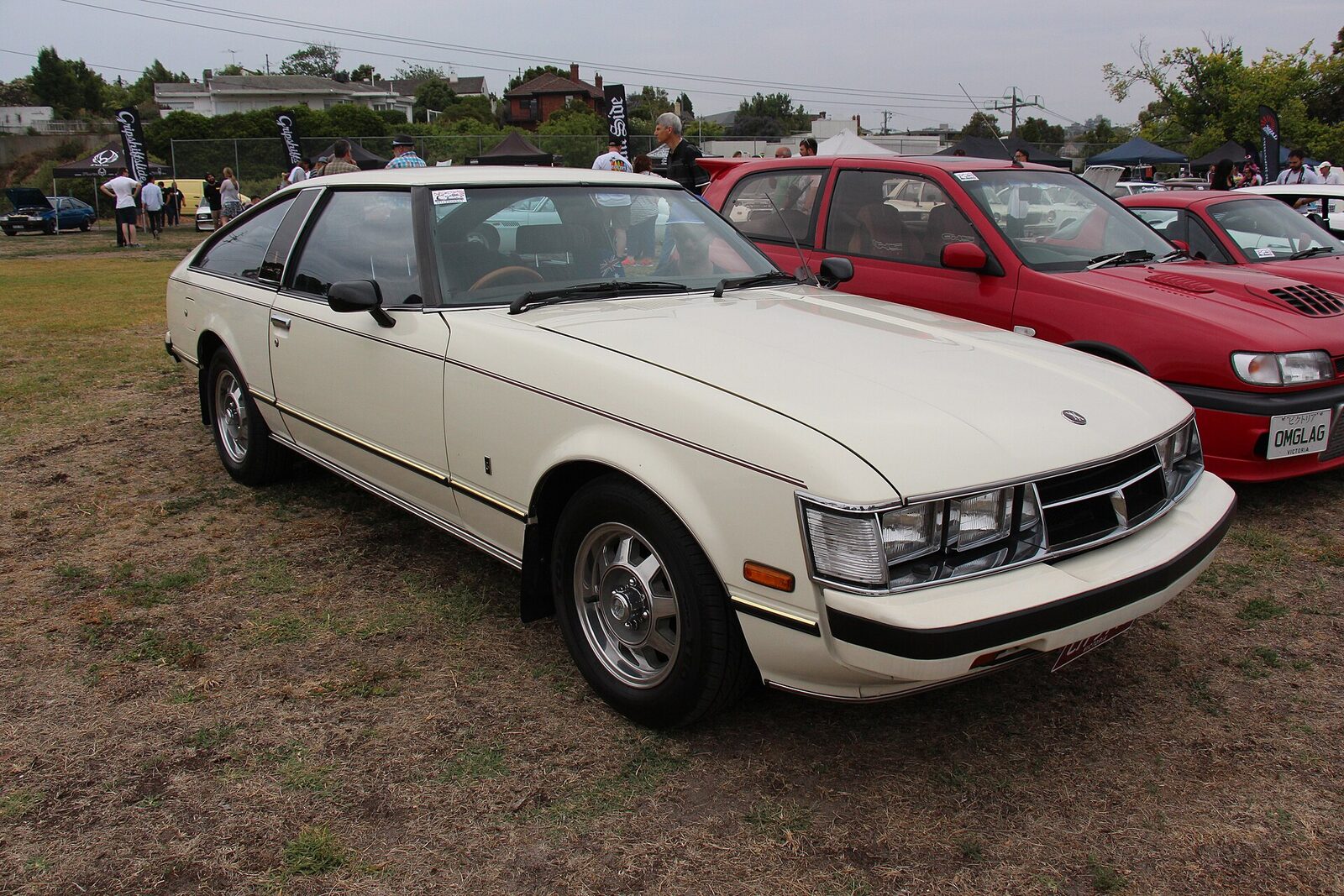
The first Supra was a longer, six-cylinder version of the Celica liftback, built from 1978 to 1981. Export markets knew it as the Celica Supra, Japan as the Celica XX. Toyota built it because North American dealers wanted a rival to the popular Datsun 280Z. It started the line of rear-wheel-drive, inline-six Supras that ran until 2002.
- Production
- 1978-1981
- exported from January 1979
- Longer than a Celica
- 129.5mm
- 5.1 in, for the six
- US power
- 110-116hp
- 4M-E, then 5M-E
- 0-60 mph
- 10.2s
- 1981, 2.8 liter
A Celica with a six#
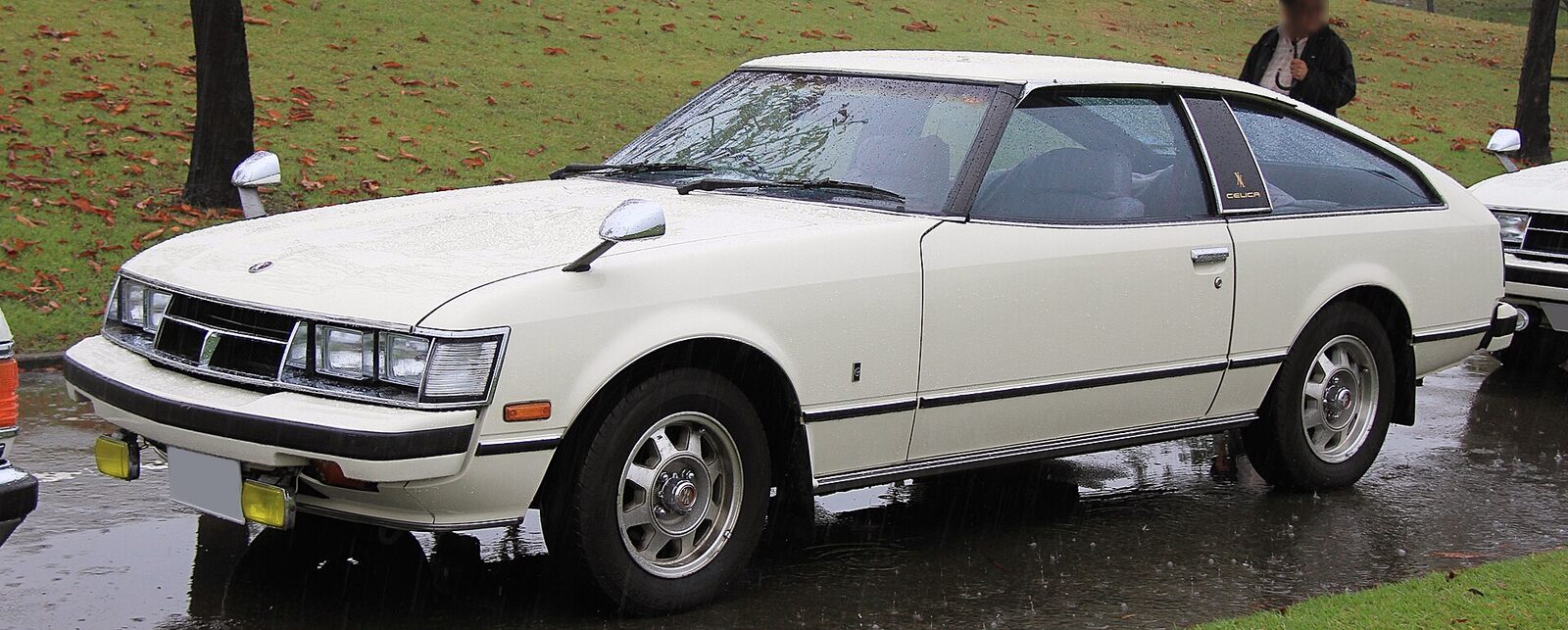
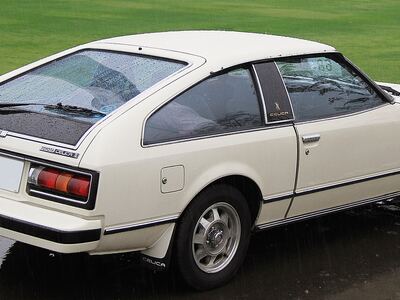
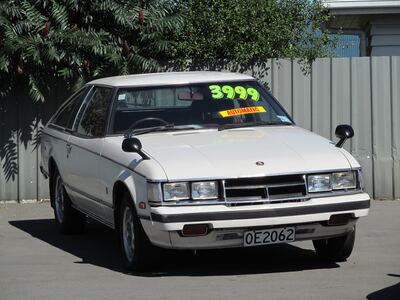
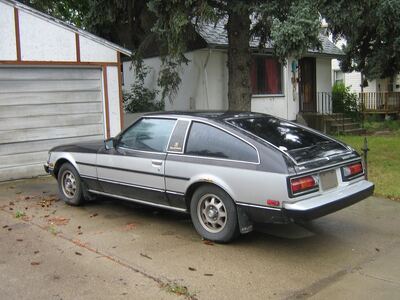
Doors and the rear end came straight from the Celica liftback. The nose, though, was stretched 129.5 mm (5.1 in) to make room for an inline-six instead of the Celica's four-cylinder. The Celica XX was previewed by the CAL-1 show car at the 1977 Tokyo Motor Show and went on sale in Japan in 1978.
In Japan, Toyota Corolla Store dealers sold it as the top of the Celica lineup, as comfortable as Toyota's hardtop coupes. Exports began in January 1979. Like the next two generations, it was built at Toyota's Tahara plant in Aichi Prefecture, Japan.
Because the first two Supras were officially Celicas, they wore the Celica dragon badge; the Supra's own logo was a blue version of the orange Celica logo. The name comes from the Latin prefix supra, "above".
Versions and engines#
| Code | Engine | Power | Market and years |
|---|---|---|---|
| MA45 | 2.0 L SOHC 12-valve M-EU inline-six | 125 PS (92 kW) | Japan, from 1978 |
| MA46 | 2.6 L SOHC 12-valve 4M-E inline-six | 110 hp (82 kW) in US trim | Japan from 1978; the US and other export markets 1979-1980 |
| MA47 | 2.8 L SOHC 12-valve 5M-E inline-six | 116 hp (87 kW), 145 lb-ft (197 Nm) | From August 1980 (1981 model year) |
All engines had electronic fuel injection. In Japan the 2.0-liter engine kept the car in a lower annual road tax bracket; a 2.6 cost more to tax than a regular Celica. The Celica XX came in five trim levels: 2600G, 2600S, 2000G, 2000S and the entry-level 2000L. Leather and alloy wheels were only available on the G versions. The Toyota 5M-E page covers the 2.8-liter engine in detail.
For the gearheadsTransmissions, rear axles and suspension
Transmission choices were a five-speed W50 manual with an overdrive fifth gear, or a four-speed A40D automatic; the 2.8 got the A43D instead. The 2.0-liter MA45 kept the Celica's T-series solid rear axle; the MA46 and MA47 got the larger F-series axle, with an optional limited-slip differential.
Suspension was MacPherson struts up front and a four-link rear axle with coil springs, a Panhard rod and a sway bar. Every car had four-wheel disc brakes.
Year-by-year changes#
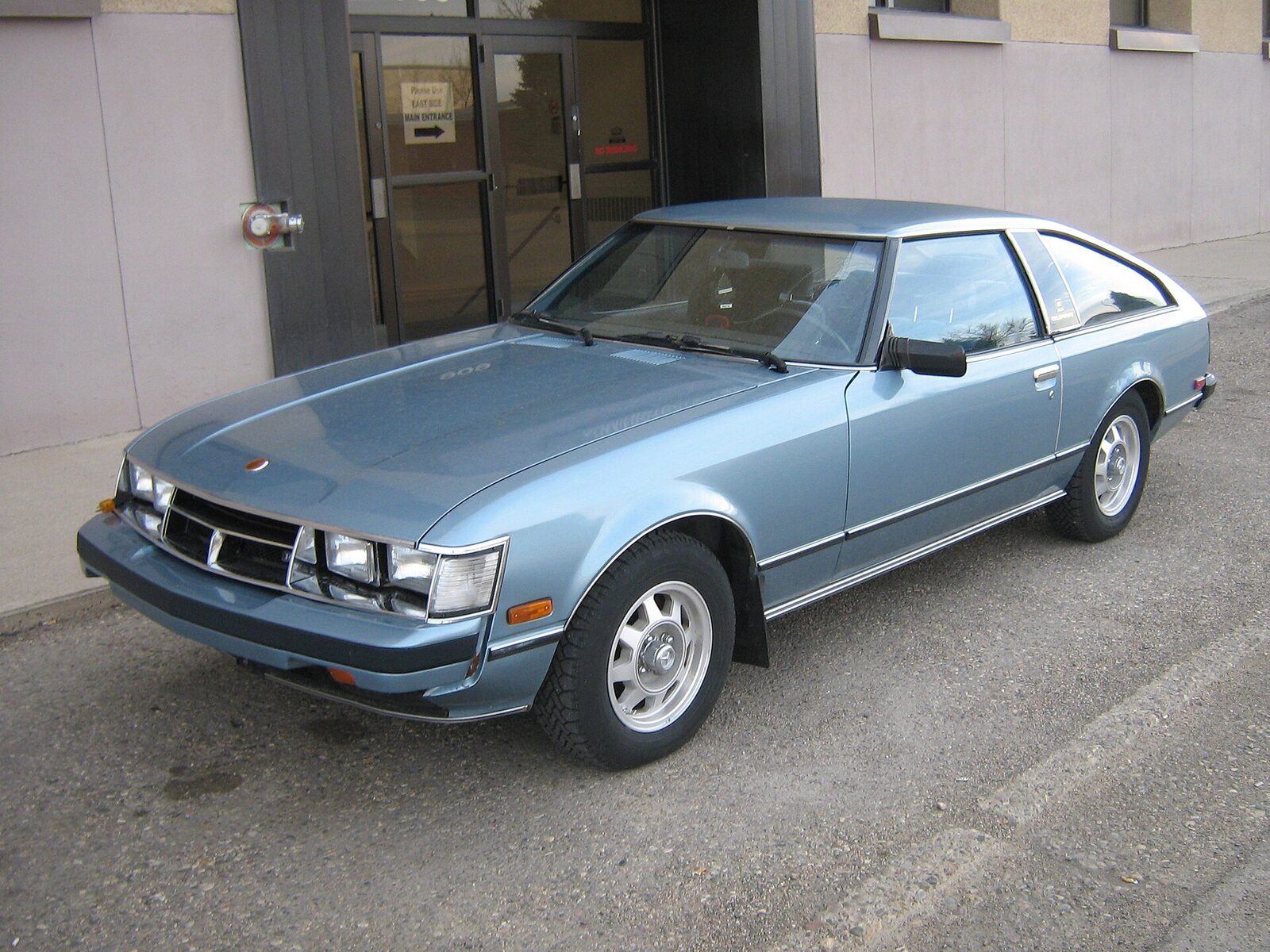
- 1978-1979 (first US model year 1979): 2.6-liter 4M-E with 110 hp. Standard equipment included four-wheel disc brakes, a tilt steering wheel, an AM/FM stereo, a tachometer and a tonneau cover under the liftback. Power windows and locks, cruise control and a sunroof came in a convenience package. Steel wheels with wheel covers were standard; alloys were optional.
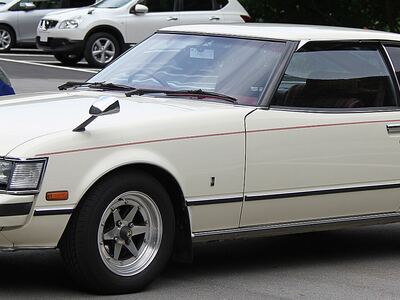
- 1980 model year: mostly cosmetic changes, including a new center console, a digital quartz clock, new door mirrors and standard 14x5.5-inch alloy wheels. Molded mud flaps with "Celica" lettering were available, painted body color on copper and white cars. Leather seats and automatic climate control joined the options list.
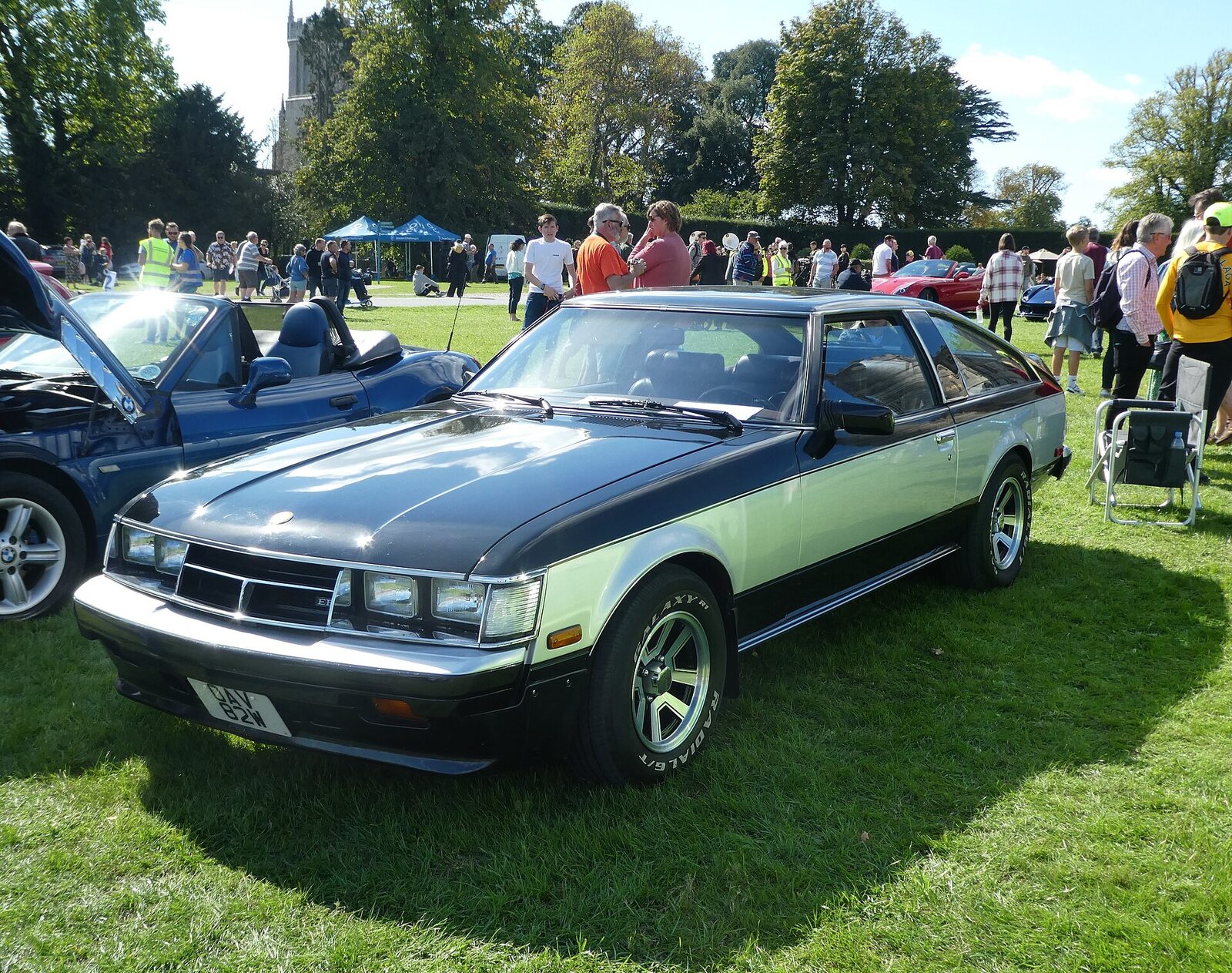
- 1981 model year (from August 1980): the 2.8-liter 5M-E with 116 hp, the A43D automatic, new final-drive gearing and a new chassis code, MA47. A Sports Performance Package added sport suspension, raised white letter tires and front and rear spoilers. This was the last Supra with an optional 8-track player. A 1981 car reached 60 mph in 10.2 seconds and ran the quarter mile in 17.5 seconds at 77.7 mph.
How to tell the MKI model years apart
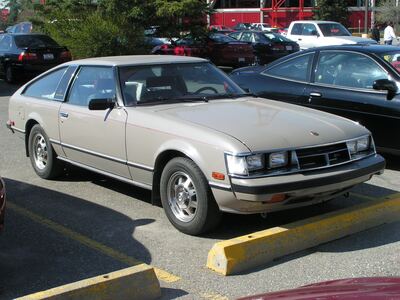
- WheelsSteel wheels with wheel covers were standard for 1979, with alloys as an option. From the 1980 model year 14x5.5-inch alloys were standard.
- Console, clock and mirrorsA new center console, a digital quartz clock and new door mirrors arrived for the 1980 model year.
- Engine and chassis codeA 2.8-liter 5M-E and the MA47 code mean a 1981 model, built from August 1980. Earlier US cars have the 2.6-liter 4M-E.
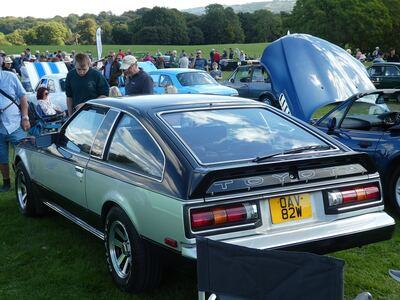
- Spoilers and tiresFront and rear spoilers with raised white letter tires point to the 1981 Sports Performance Package.
In mid-1981 the second-generation Celica Supra A60 (MKII) took over.
Owning a MKI today#
A MKI is now a rare classic, and parts come up often in owners' questions. Engine parts are shared with other Toyotas of the time that used the M-series six, such as the Cressida and the Crown. Body and trim parts are usually harder to find than engine parts. Our forum has no separate MKI board, so MKI owners post on the General questions board. Some of the threads there:


Questions and answers#
Is the first Supra a Celica?
Officially, yes. Toyota stretched the nose of the Celica liftback by 129.5 mm (5.1 in) to fit an inline-six, and the first two Supras wore the Celica dragon badge.
How much horsepower does a 1979 Celica Supra have?
US cars from 1979 and 1980 have the 2.6-liter 4M-E, rated at 110 hp (82 kW). The 1981 model got the 2.8-liter 5M-E with 116 hp (87 kW) and 145 lb-ft (197 Nm).
What is the difference between the MA45, MA46 and MA47?
The code tells you the engine: MA45 for the 2.0-liter M-EU sold in Japan, MA46 for the 2.6-liter 4M-E and MA47 for the 2.8-liter 5M-E from August 1980. The MA46 and MA47 also got the larger F-series rear axle instead of the Celica's T-series.
How fast is a 1981 Celica Supra?
A 1981 car with the 2.8-liter engine reached 60 mph in 10.2 seconds and ran the quarter mile in 17.5 seconds at 77.7 mph.
What does the name Supra mean?
It comes from the Latin prefix supra, "above". The Supra's own logo was a blue version of the orange Celica logo.
Article history
- First published on toyota-supra.info, with a quick summary, a guide to telling the model years apart, photos and answers to common questions.
Written and kept up to date by Alex Keller. Found a mistake? Write to info@toyota-supra.info.
Sources
- Toyota Supra article on Wikipedia (first generation section)
- Discussions of toyota-supra.info forum members
Photos are published under Creative Commons licenses; authors are credited under each photo. Copyright questions: info@toyota-supra.info.